
PCOS Acne Treatment in Boston: Can PCOS Cause Acne?
Yes — PCOS Can Cause Acne
Many women struggling with persistent acne are surprised to learn that polycystic ovary syndrome (PCOS) may be a major contributing factor.
PCOS is one of the most common hormonal conditions affecting women of reproductive age, and acne is one of its most visible symptoms.
PCOS acne is rarely just a skin issue. From my clinical experience working with women in my Boston practice, PCOS acne is usually a reflection of deeper hormonal and metabolic imbalances such as insulin resistance, androgen excess, inflammation, environmental toxins and gut dysfunction. While topical skincare can support the skin barrier and reduce inflammation, it often cannot fully resolve persistent hormonal acne when the internal drivers remain unaddressed. This is why many women benefit from a functional medicine approach to hormonal acne, which focuses on identifying and correcting the internal imbalances contributing to breakouts.
Understanding these deeper root causes is what allows us to achieve long-term skin clarity instead of temporary improvements.
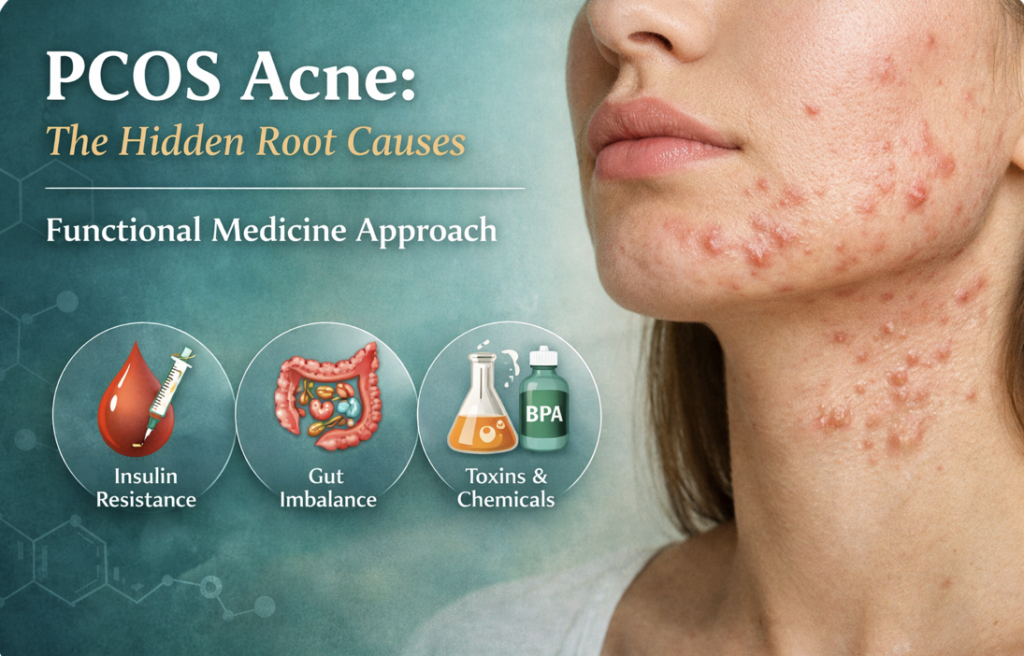
Acne Is Often a Signal From the Body
Through a functional medicine and functional dermatology lens, acne is rarely viewed as an isolated skin condition.
In many cases, persistent hormonal acne—particularly acne associated with PCOS—is a visible signal that deeper imbalances may be present within the body. These imbalances may involve metabolic function, hormone regulation, gut health, detoxification pathways, nutrient status, or environmental toxin exposure.
Because the body functions as a highly interconnected system, an imbalance in one area can trigger a cascade of effects across multiple biological systems. This is why treating symptoms in isolation often produces only temporary results.
Instead of addressing acne as a standalone skin issue, my approach focuses on investigating and correcting the underlying factors that may be contributing to hormonal imbalance and inflammation. By restoring balance across these interconnected systems, we often see improvements not only in skin health but also in digestion, energy levels, mood stability, and overall well-being.
In this way, functional medicine allows us to approach health holistically—addressing multiple imbalances synergistically rather than treating each symptom in isolation.
In my Boston practice, this integrative approach to functional dermatology allows us to address the root causes of conditions such as PCOS-related acne while supporting overall health.
A Different Approach to Treating Acne
Rather than visiting multiple specialists for separate symptoms, functional medicine allows us to evaluate the body as a whole and address the underlying imbalances contributing to acne and other health concerns through one coordinated strategy.
Many clients find this approach more effective because it focuses on restoring balance across the entire system, rather than managing individual symptoms in isolation.
What PCOS Acne Typically Looks Like
Hormonal acne related to PCOS often appears in a recognizable pattern.
The most common areas include:
These areas are particularly sensitive to androgen hormones such as testosterone and DHT, which stimulate oil production in the sebaceous glands.
In my clinical practice, I also frequently see acne on the forehead, which may indicate digestive imbalance or gut dysfunction, both of which can influence hormonal health.
Women with PCOS acne often report additional symptoms such as:
Many women also struggle with anxiety, mood imbalances, ADD/ADHD, or depression, and medications used for mood disorders may contribute to acne through varies pathways, including nutrient depletion or digestive disturbances.
PCOS Acne Connection – Why PCOS Causes Acne
PCOS can trigger acne through several biological mechanisms.
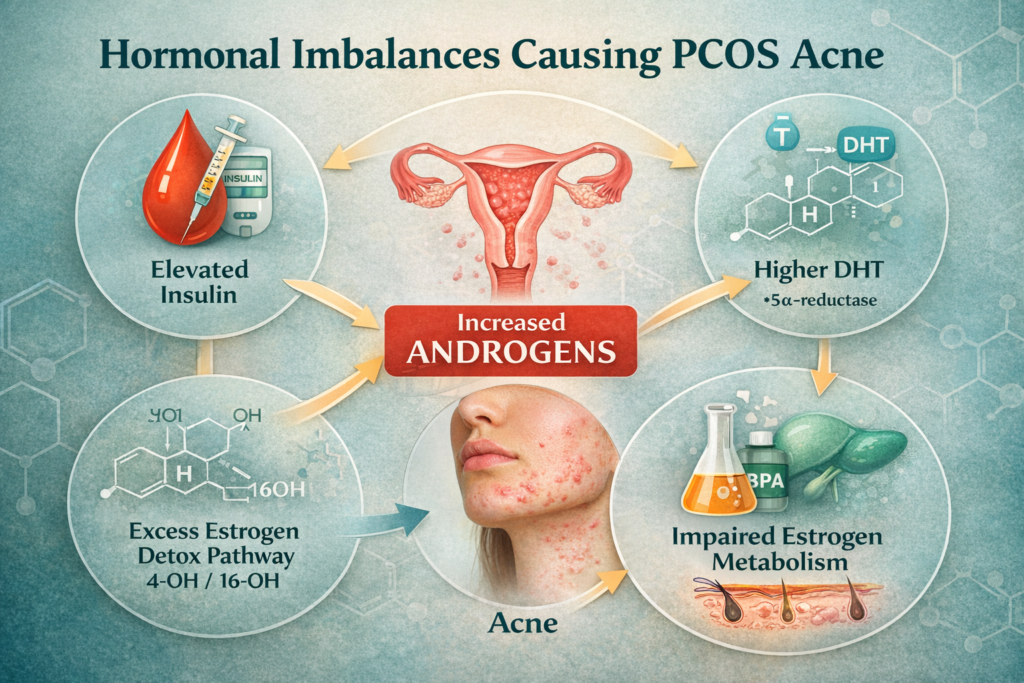
Elevated Androgens
Women with PCOS often have elevated androgen activity.
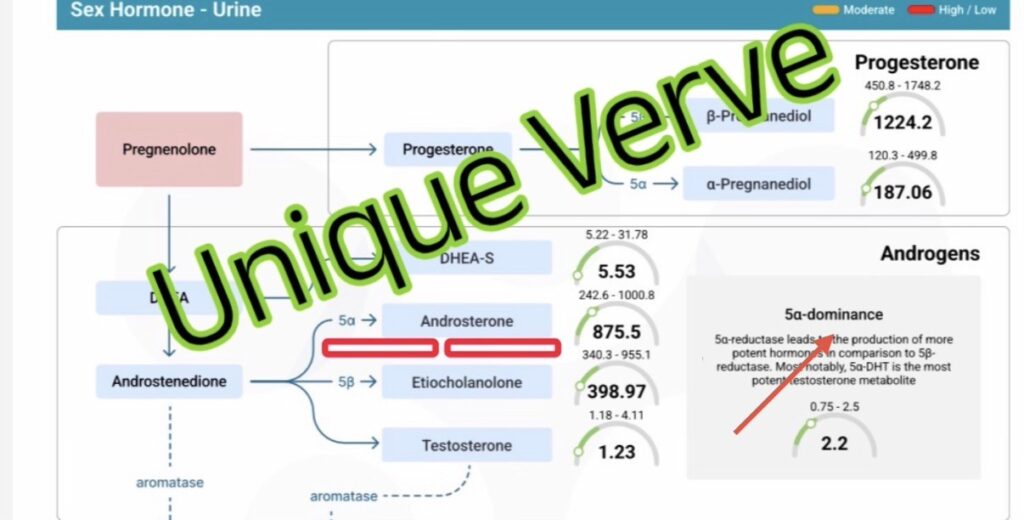
In functional testing, I frequently see elevated:
- DHT (dihydrotestosterone)
- 5-alpha reductase activity
These hormones increase oil production and promote clogged pores.
Insulin Resistance
Insulin resistance is one of the most common drivers of PCOS.
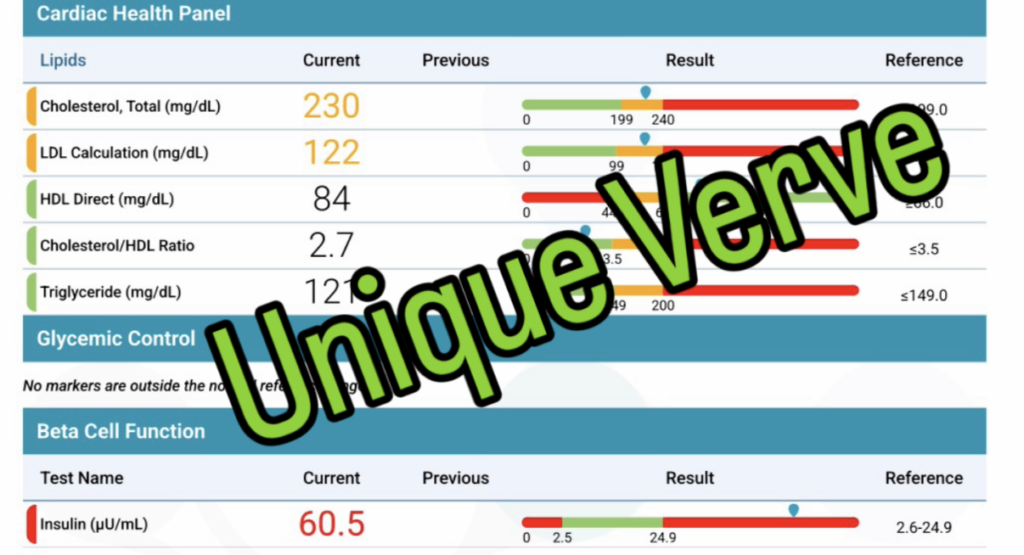
In early stages of insulin resistance, fasting blood glucose may still appear normal or even low. However, fasting insulin levels may already be “creeping up”, which is a marker often overlooked in conventional medicine. It’s important to note, that research shows that insulin resistance, a precursor to type 2 diabetes often develops silently over a 10 to 20-year period before diagnosis! That’s a lot of lost time! This is where functional medicine truly shines.
High insulin levels stimulate androgen production and worsen acne.
Markers I typically review together in order to see a full picture include:
The example below shows elevated fasting insulin despite normal fasting glucose, illustrating how early insulin resistance can be missed if insulin levels are not evaluated.
Gut Imbalance
Many women with PCOS acne also show signs of gut dysbiosis.
Common findings include:
- Candida overgrowth
- SIBO
- H. pylori
These imbalances can interfere with digestion and absorption of nutrients, increase systemic inflammation and interfere with hormone metabolism.
Environmental Toxins
Environmental toxins are another major contributor that is often overlooked.
In functional testing I frequently see elevated levels of:
- BPA
- Phthalates
- Mycotoxins
- Heavy metals
These substances act as endocrine disruptors, interfering with hormone signaling and liver detoxification pathways.
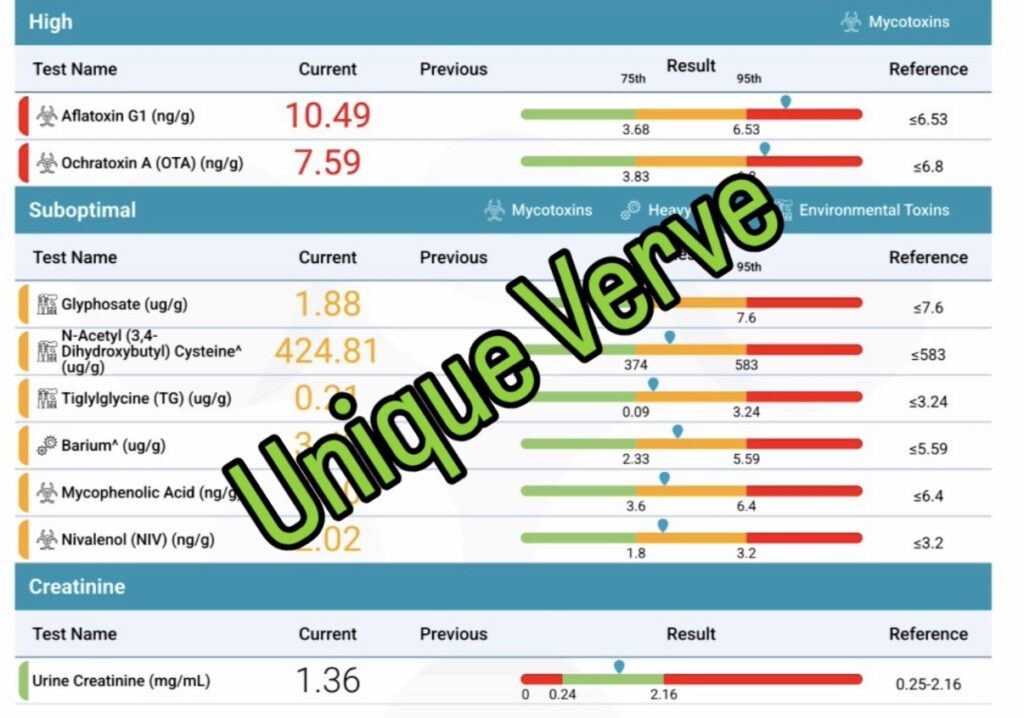
All of these factors increase oil production in the skin and disrupt normal pore function, leading to persistent breakouts that often do not respond well to topical treatments alone.
Why Conventional Acne Treatments Often Fail
Most women who come to my clinic have already tried multiple treatments including:
- Dermatology prescriptions
- Antibiotics
- Birth control pills
- Spironolactone
- Accutane
- Harsh acne products such as benzoyl peroxide
While these approaches may temporarily suppress breakouts, they often do not address the underlying drivers of PCOS acne.
In addition, aggressive skincare products can disrupt the skin barrier and acid mantle, triggering further inflammation and breakouts.
A Real Client Case: Reversing PCOS Acne
One client in her early twenties came to me after struggling with hormonal acne since puberty. She also had many other symptoms – intense sugar cravings, seasonal allergies, low energy, brain fog, constipation, severe PMS symptoms (painful cycles, bloating, tender breast, anxiety and depression two weeks before her period).
This client came to me struggling with cystic acne related to PCOS along with severe PMS symptoms (tender breasts, painful and heavy cycles, anxiety and depression two weeks before her period), bloating, constipation, seasonal allergies, fatigue, brain fog, and intense sugar cravings. These symptoms suggested deeper hormonal and metabolic imbalances that needed to be addressed beyond topical skincare. Through personalized testing and targeted protocols inside my functional medicine programs in Boston, we worked to correct the underlying drivers contributing to both her skin and systemic symptoms.
She had previously tried benzoyl peroxide products, spironolactone, and antibiotics with little success.
Functional testing revealed several root causes including:
- Insulin resistance
- Hypothyroidism
- Elevated LDL cholesterol
- Candida overgrowth
- High levels of environmental toxins, heavy metals and mycotoxins
- Genetic SNPs affecting detoxification and methylation
- Poor mitochondrial function
We implemented a personalized plan including dietary and lifestyle changes, high-quality targeted supplements, detoxification support, and customized environ facial treatments and environ skincare products.
Within several months she experienced dramatic improvements.
One particularly important finding in this case involved metabolic dysfunction that had previously gone undetected.
When reviewing her lab work, I requested both fasting glucose, HbA1C and fasting insulin levels. Her fasting blood glucose appeared completely normal, which is why her primary care provider had not suspected any metabolic issues.
However, her fasting insulin was clinically elevated.
This is an important early indicator of insulin resistance, which often develops years before blood glucose levels become abnormal.
In early stages of insulin resistance, the body compensates by producing more insulin in order to keep blood sugar within a normal range. As a result, standard glucose tests may appear normal while metabolic dysfunction is already developing behind the “scene”.
This early stage is also frequently associated with reactive hypoglycemia, where individuals experience symptoms such as fatigue, anxiety, or cravings due to fluctuations in blood sugar regulation – my client was experiencing these symptoms on ongoing basis prior to my functional medicine program.
If we had only looked at fasting glucose, we would have missed the metabolic imbalance driving her PCOS and hormonal acne.
By identifying and addressing this early insulin resistance through dietary adjustments, targeted supplementation, and lifestyle interventions, we were able to significantly improve both her hormonal balance, systemic and skin health.
It is important to emphasize that these results were achieved within this timeframe because the client was highly engaged in the process and consistently followed the recommended interventions from the beginning. She actively implemented dietary adjustments, lifestyle changes, supplementation, and skincare recommendations.
Individual outcomes may vary depending on the degree of underlying imbalance and the level of consistency with recommended interventions.
My Functional Medicine Approach to PCOS Acne in Boston
My treatment approach focuses on identifying and correcting the root causes behind acne, rather than simply suppressing symptoms.
The process typically begins with a comprehensive health history and symptom timeline.
Additional functional testing may include:
- Hormone Zoomer
- Total Tox Burden test
- Micronutrient testing with SNP analysis
- Oxidative stress testing
- Comprehensive stool testing
- Food sensitivity testing
- Full Thyroid panel as well as basic lab markers
Based on these results, we implement a personalized three-month program that may include:
- Nutrition and lifestyle adjustments
- Targeted supplementation
- Gut restoration
- Hormone support
- Professional skincare treatments
- Customized home-care skincare protocols
Targeted detoxification protocol is typically introduced toward the end of the program once detox pathways are properly supported.
How Long Does It Take to Improve PCOS Acne?
When internal imbalances are addressed alongside professional skincare treatments, many clients begin to see significant improvements within about three months.
However, timelines can vary depending on several factors including hormonal balance, metabolic health, toxin exposure, gut health, nutrient status and other factors that we identify during our initial Comprehensive Health History Assessment appointment.
Through a functional medicine lens, we are not simply treating acne in isolation. Hormonal acne often reflects deeper systemic imbalances, and the body functions as an interconnected network of systems. When one system becomes dysregulated—such as hormones, metabolism, gut health, immune system or detoxification pathways—it can create a domino effect that impacts other systems and organs.
For this reason, the goal is to identify and address all relevant imbalances unique to each client, rather than managing symptoms in isolation.
Functional medicine allows us to approach health holistically, addressing multiple biological systems simultaneously instead of treating each issue through a siloed approach.
When these interconnected systems begin to rebalance, improvements are often seen not only in skin health but also in digestion, energy levels, mood stability, immune system and hormonal regulation.
It is also important to set realistic expectations. The improvements described in the case example above occurred within this timeframe because the client actively and consistently followed all recommended interventions, including dietary changes, lifestyle adjustments, supplementation, and skincare protocols.
Results can vary depending on how consistently recommendations are implemented and the complexity of underlying imbalances. Sustainable improvement requires active participation and commitment to the treatment plan.
PCOS Acne Frequently Asked Questions
Can PCOS cause acne on the jawline?
Yes. PCOS acne commonly appears along the jawline and chin because these areas are highly sensitive to androgen hormones such as testosterone and DHT, which increase oil production and clog pores.
Why does PCOS cause hormonal acne?
PCOS can cause acne due to elevated androgen hormones, blood sugar dysregulation, insulin resistance, gut imbalance, and environmental toxins that disrupt hormone metabolism and increase inflammation in the skin.
Does treating PCOS help acne?
Yes. Addressing the root causes of PCOS such as insulin resistance, hormone imbalance, gut dysbiosis, and toxin exposure can significantly improve acne and lead to more sustained results than topical treatments alone.
What is the best treatment for PCOS acne?
The most effective approach typically involves a combination of hormone balancing, metabolic support, gut health restoration, detoxification, and customized skincare treatments and products.
Can functional medicine help PCOS acne?
Functional medicine focuses on identifying the root causes behind PCOS acne such as hormonal imbalances, insulin resistance, gut issues, nutrient deficiencies, and environmental toxins. Addressing these factors can significantly improve both skin health and overall well-being.
Struggling With PCOS Acne?
If you are dealing with persistent hormonal acne, irregular cycles, digestive issues, unexplained skin inflammation, or any other symptoms, your body is signaling deeper imbalances.
If you are struggling with persistent hormonal acne, PCOS symptoms, unexplained skin changes, irregular cycles, digestive issues, or any other symptoms, you can learn more about my functional medicine programs for hormone and skin health and how they help address the root causes of these concerns.
Through a functional medicine and skincare approach, we can identify the root causes contributing to your acne and create a personalized roadmap to restore balance from within.

Natalie Maibenko
Functional Medicine & Skincare Expert in Boston – Helping You Take Control of Your Health and Achieve Lasting Skin Results
As a Certified Functional Medicine Practitioner my Expertise Encompasses:
- Immune System: frequent illness, UTIs, yeast infections
- Allergies, Asthma
- Skin Problems: acne, cystic acne, rosacea, eczema, dermatitis, ichthyosis, psoriasis, vitiligo, melasma
- Inflammation: arthritis, rhinitis, joint & muscle pain, migraines, headaches
- Sleep Disturbunces, Insomnia
- Gut Problems: IBS/IBD, bloating, acid reflux, gas, constipation, diarrhea, parasites, fungal/yeast overgrowths
- Hormonal Imbalances: PCOS, PMS symptoms, weight problems/inability to lose weight, thyroid problems
- Hair Loss, Alopecia
- Mood Imbalances: anxiety, depression, irritability
- Metabolic Dysfunction, Insulin Resistance, Type 2 Diabetes
- Optimizing Wellness for Successful Pregnancy
- Autoimmune Conditions: Hashimoto’s thyroiditis, grave’s disease, reumatoid arthritis (RA), lupus, etc
- Bone Health: osteopenia/ osteoporosis
- Effective Anti-Aging Strategies without Injectables with the inside-out & outside-in approach
- Detoxification of Heavy Metals, Mycotoxins, Environmental Toxins
- Reversing Breast Implant Illness
- Preparation for the Explant Surgery and Optimization of Wellness & Vitality Post-Explant
DISCLAIMER:
Information and content on this website is provided for educational purposes only, and is not intended to diagnose, treat and to be a substitute for the advice provided by your physician or other healthcare professional. No information offered here should be interpreted as a diagnosis of any disease, nor an attempt to treat or prevent or cure any disease or condition. If you have any concerns or questions about your health, you should always consult with a physician or other healthcare professional. Do not disregard, avoid, or delay obtaining medical or health-related advice from your healthcare professional. Always speak with your healthcare professional before taking any medications, supplements or pursuing any wellness programs. Information provided on this website does not create a doctor-patient relationship between you and any professional affiliated with this website.